Regulatory Shifts Driving Secure Payment Innovations for Mobile Slot Play in Nordic Markets
Skriven av Iris Werner · 2026-08-23
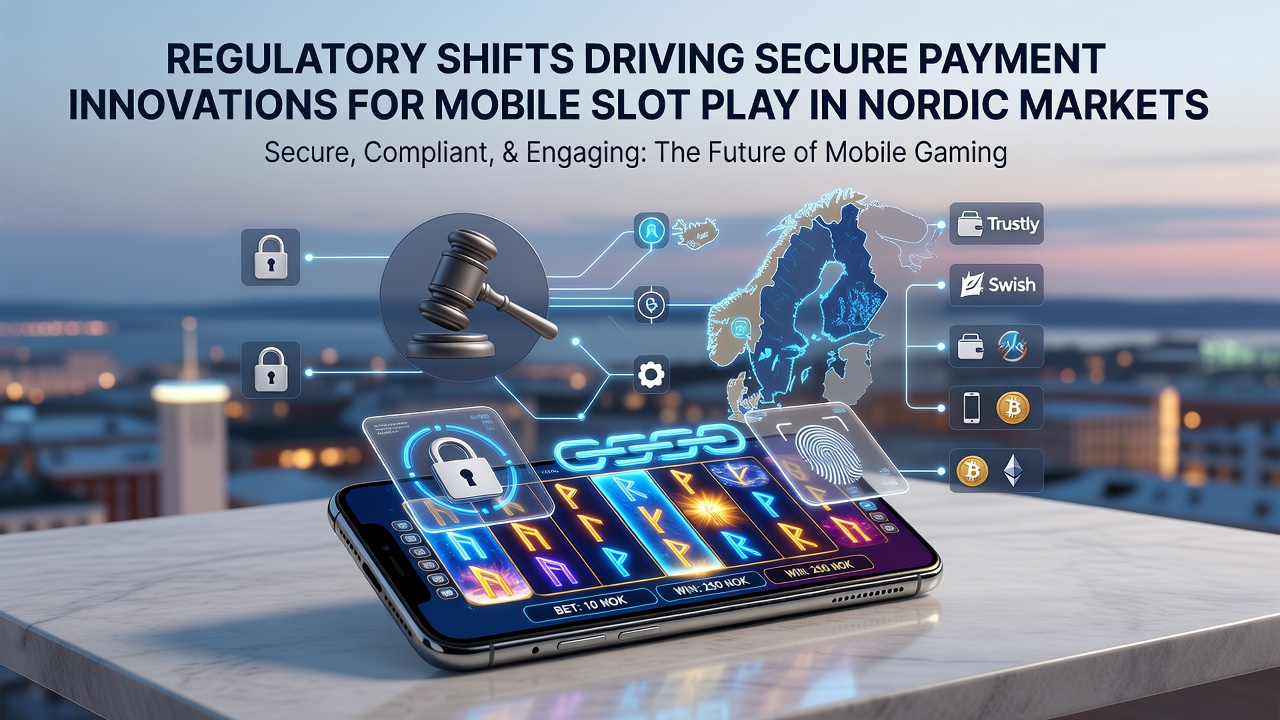
Regulatory Shifts Driving Secure Payment Innovations for Mobile Slot Play in Nordic Markets
Regulatory developments across Nordic countries have prompted operators to adopt advanced payment technologies that prioritize security while supporting mobile slot play, and these changes build on existing licensing systems that emphasize consumer protection and transaction integrity. Authorities in Sweden, Norway, Denmark, and Finland continue to refine rules around digital payments, which in turn influences how platforms handle deposits, withdrawals, and real-time verification for slot games accessed via smartphones and tablets.
Key Regulatory Updates in the Nordic Region
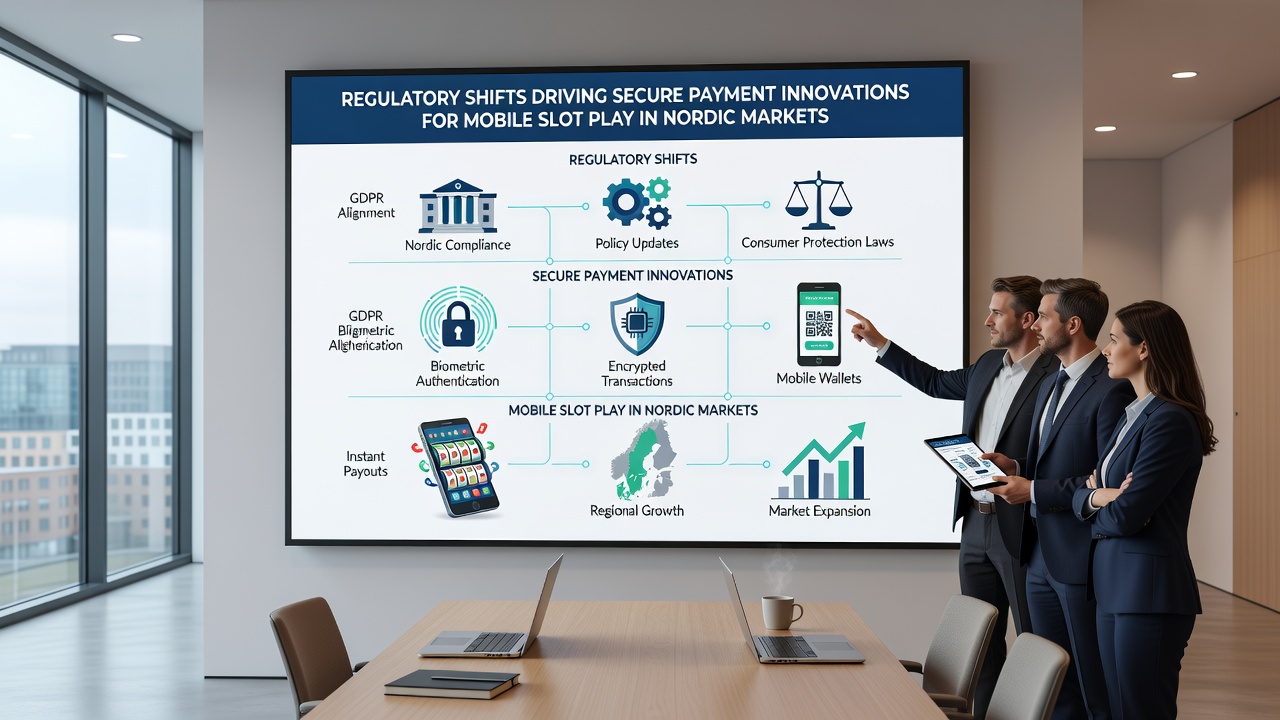
Sweden's Spelinspektionen has enforced stricter authentication protocols since the 2019 licensing regime took effect, and these requirements align with broader EU directives on payment services that demand multi-factor verification for every transaction. Data from the authority shows increased adoption of open banking solutions that allow direct bank transfers without exposing card details, and this approach reduces fraud risks while maintaining compliance with anti-money laundering standards. Observers note that similar patterns appear in Denmark where the Danish Gambling Authority mandates secure tokenization for all mobile transactions, and the rules extend to slot platforms that must integrate certified payment gateways approved by national bodies.
Norway maintains a state-controlled monopoly through Norsk Tipping yet still incorporates regulatory shifts that encourage secure mobile innovations, and recent updates require enhanced encryption for all digital interactions including slot gameplay. Finland's system, managed by Veikkaus, follows parallel directives that emphasize data protection under GDPR alongside payment-specific rules, and these combined pressures drive providers to implement biometric authentication methods such as fingerprint and facial recognition on mobile devices.
Payment Security Innovations Responding to New Rules
Secure payment methods have evolved rapidly in response to these frameworks, and technologies like instant bank transfers via local systems including Swish in Sweden and MobilePay in Denmark now dominate mobile slot deposits because they bypass traditional card networks that carry higher chargeback exposure. Research indicates that integration of strong customer authentication under the revised Payment Services Directive has led to a measurable drop in unauthorized transactions across licensed operators, and platforms achieve this through layered verification that combines device recognition with one-time codes sent directly to users' mobile numbers.
Operators have also rolled out wallet-based solutions that store encrypted credentials on the device itself rather than centralized servers, and this architecture complies with data localization expectations common in Nordic regulations. Studies from regional research institutions reveal that such innovations support faster gameplay sessions without compromising audit trails, which regulators require for ongoing oversight of mobile slot activities.
Impact on Mobile Slot Platforms and User Experience
Mobile slot providers operating in these markets must certify their payment flows through independent testing labs before launch, and this process ensures compatibility with both national licensing conditions and EU-wide standards for electronic money institutions. Figures from industry reports demonstrate that platforms incorporating real-time fraud detection algorithms experience higher approval rates for deposits during peak hours, and these systems analyze behavioral patterns specific to slot play such as bet frequency and session duration.
Cross-border operators face additional layers of scrutiny when serving players across Nordic borders, yet harmonized elements of the regulatory landscape allow shared technological solutions like unified API connections to local banks. Those who've examined compliance documentation note that updates scheduled for August 2026 will introduce further specifications around digital identity verification, and these forthcoming rules build directly on current requirements for mobile-first authentication methods.
Regional Variations and Emerging Standards
Although core principles remain consistent, each Nordic jurisdiction applies its own emphasis within the shared framework, and Denmark places particular weight on consumer spending limits tied directly to verified bank accounts. Norway's approach prioritizes monopoly oversight that still accommodates third-party payment partners under strict contractual terms, while Sweden focuses on transparency in transaction reporting that feeds into centralized monitoring systems. Academic analyses from Nordic universities highlight how these differences encourage tailored innovations rather than one-size-fits-all solutions, and the result appears in diverse mobile slot interfaces that adapt payment options based on user location detected through IP and device data.
Industry associations have published guidelines that help smaller developers align with these expectations without excessive development costs, and collaboration between regulators and technology firms continues to produce standardized security protocols tested across multiple markets.
Conclusion
Regulatory shifts in the Nordic markets continue to shape secure payment ecosystems that underpin mobile slot play, and the ongoing evolution incorporates both immediate compliance needs and forward-looking requirements set for 2026. Data from regulatory bodies and research sources confirms that innovations in authentication, encryption, and instant transfer methods have become standard features rather than optional enhancements, and operators maintain these standards to sustain licenses across Sweden, Norway, Denmark, and Finland. The landscape demonstrates how coordinated policy changes can drive technological progress while preserving transaction integrity for all participants.