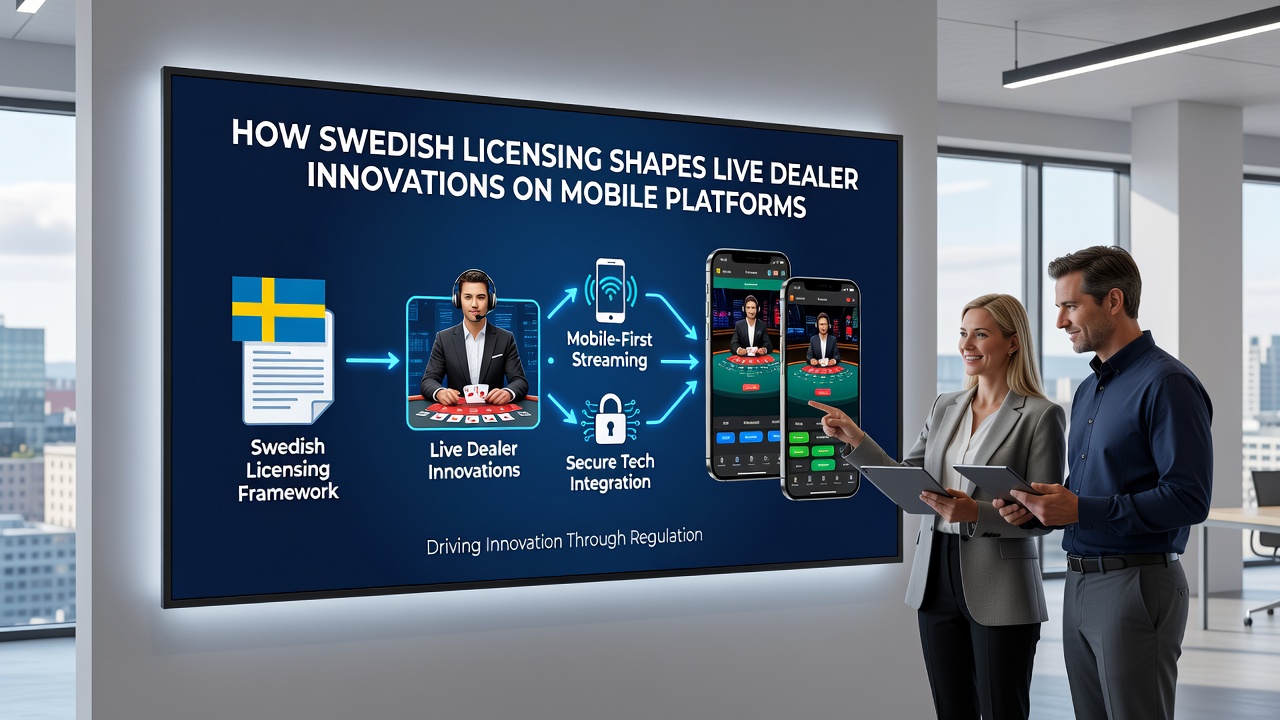
How Swedish Licensing Shapes Live Dealer Innovations on Mobile Platforms
Skriven av Carlo Otto · 2026-08-20
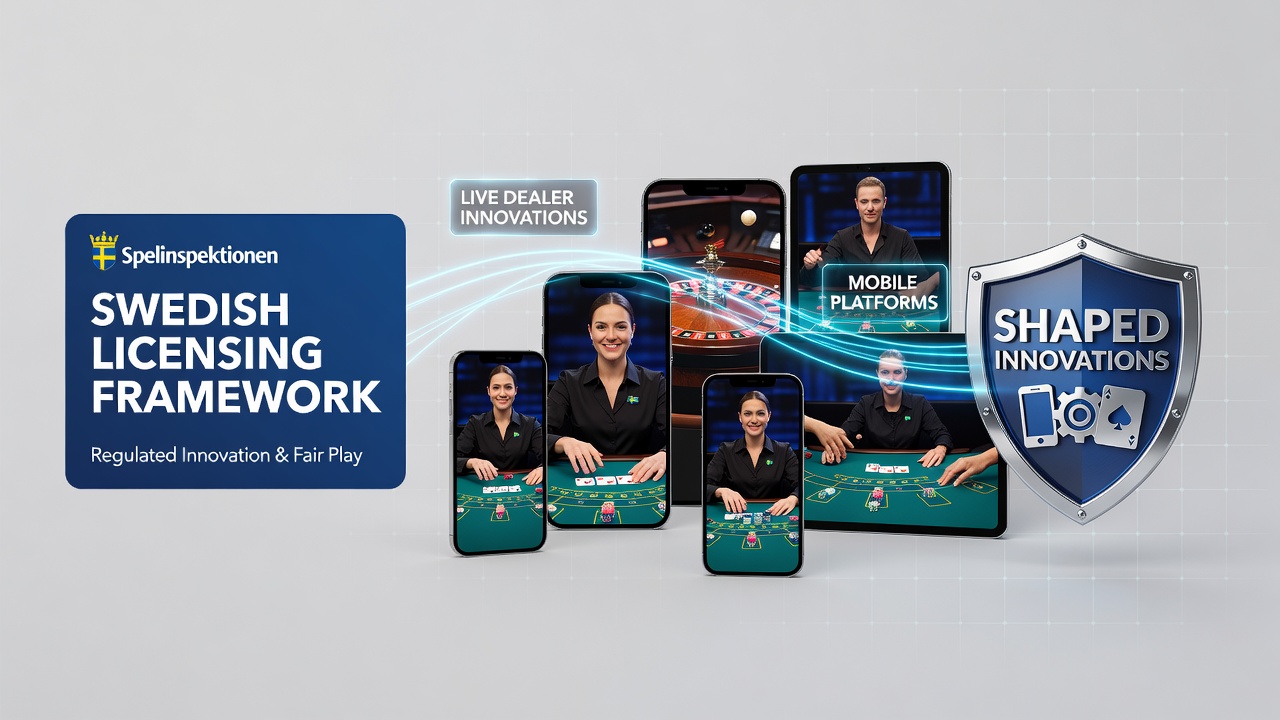
How Swedish Licensing Shapes Live Dealer Innovations on Mobile Platforms
Swedish licensing requirements under the Spelinspektionen framework have driven measurable changes in live dealer technology since the re-regulated market opened in 2019, and observers note that these rules continue to influence mobile platform development through August 2026. Operators holding Swedish licenses must meet strict standards on game fairness, data security, and responsible gaming features, which has prompted software providers to adapt live dealer streams and interfaces for smaller screens while maintaining compliance across all devices.
Regulatory Framework and Technical Standards
The Swedish Gambling Authority enforces technical specifications that cover everything from random number generator certification to encryption protocols, and these rules apply equally to live dealer environments on mobile platforms. Providers must demonstrate that their systems deliver consistent outcomes whether players access games through native apps or browser-based sessions, which has led developers to integrate advanced compression techniques and adaptive bitrate streaming. Research from industry reports indicates that such adaptations reduce latency on 4G and 5G networks without compromising the verification processes required for each hand dealt at the table.
Swedish rules also mandate real-time monitoring tools that track player behavior and session length, and these obligations have encouraged the creation of mobile-specific dashboards that display responsible gaming prompts directly within the live dealer interface. Experts have observed that integrating these tools into the same screen as the dealer feed requires careful UI design to avoid disrupting the visual flow while still meeting regulatory audit requirements.
Impact on Mobile Live Dealer Features
Live dealer innovations on mobile have centered on multi-camera setups and touch-friendly controls that satisfy both player expectations and licensing conditions for transparency. Swedish licensees often deploy games where users can switch between overhead, dealer close-up, and card shoe views with a single tap, yet every angle must remain synchronized and auditable. Data from compliance filings shows that these multi-view options emerged partly because regulators require clear visual proof that physical cards and wheels operate without external interference.
Another area of development involves biometric authentication layers that align with Swedish identity verification mandates. Operators now test facial recognition and device fingerprinting within live dealer apps to confirm that the same licensed player remains active throughout a session. According to information published by Spelinspektionen, these measures help prevent account sharing while allowing seamless transitions between portrait and landscape orientations on modern smartphones.
Collaboration Between Operators and Software Providers
Swedish license holders frequently partner with studios in Malta, Estonia, and Romania to build mobile-optimized live dealer products that pass local testing laboratories. These collaborations focus on reducing bandwidth usage for players in rural areas while preserving HD quality for those on fiber connections. Figures from market analyses reveal that average session durations on compliant Swedish mobile platforms have stabilized even as new camera and chat features roll out, suggesting that regulatory constraints have not slowed feature adoption when implemented correctly.
One notable outcome appears in the handling of side bets and bonus rounds during live sessions. Developers have introduced micro-interactions that let mobile users place additional wagers without leaving the main video feed, and these functions undergo the same rigorous certification process required for desktop versions. Researchers tracking European gaming markets have documented how such incremental improvements help operators maintain continuous compliance across device types.
Future Developments Through 2026
By August 2026, further refinements in 5G coverage across Sweden are expected to support higher-resolution live streams and more complex augmented reality overlays within licensed mobile applications. Regulatory updates may introduce new guidelines around AI-assisted dealer assistance tools, yet any such technology must still undergo the same fairness audits applied to traditional setups. Industry organizations outside Sweden, including reports referenced by the Responsible Gambling Council in Canada, have noted parallel interest in these mobile compliance techniques as other jurisdictions evaluate similar licensing models.
Conclusion
Swedish licensing continues to shape mobile live dealer innovations through precise technical and operational requirements that prioritize security, fairness, and player protection. These standards have produced tangible adaptations in streaming quality, interface design, and verification processes that now extend across multiple device formats. As network infrastructure improves and regulatory expectations evolve, the same compliance mechanisms are likely to guide the next wave of features while keeping all activity within the boundaries established by Spelinspektionen.